

Buying a plot of land is an exciting milestone, especially when it marks the beginning of plans for a new home or investment property. But once the purchase is complete, a more complex process begins: how do you turn an empty plot into a well-planned construction project? Velos Constructions can support this journey from the early planning stages through to construction and delivery. Before you start thinking about finishes, flooring or kitchen design, there are several more fundamental decisions that need to come first.
Understand What Can Actually Be Built
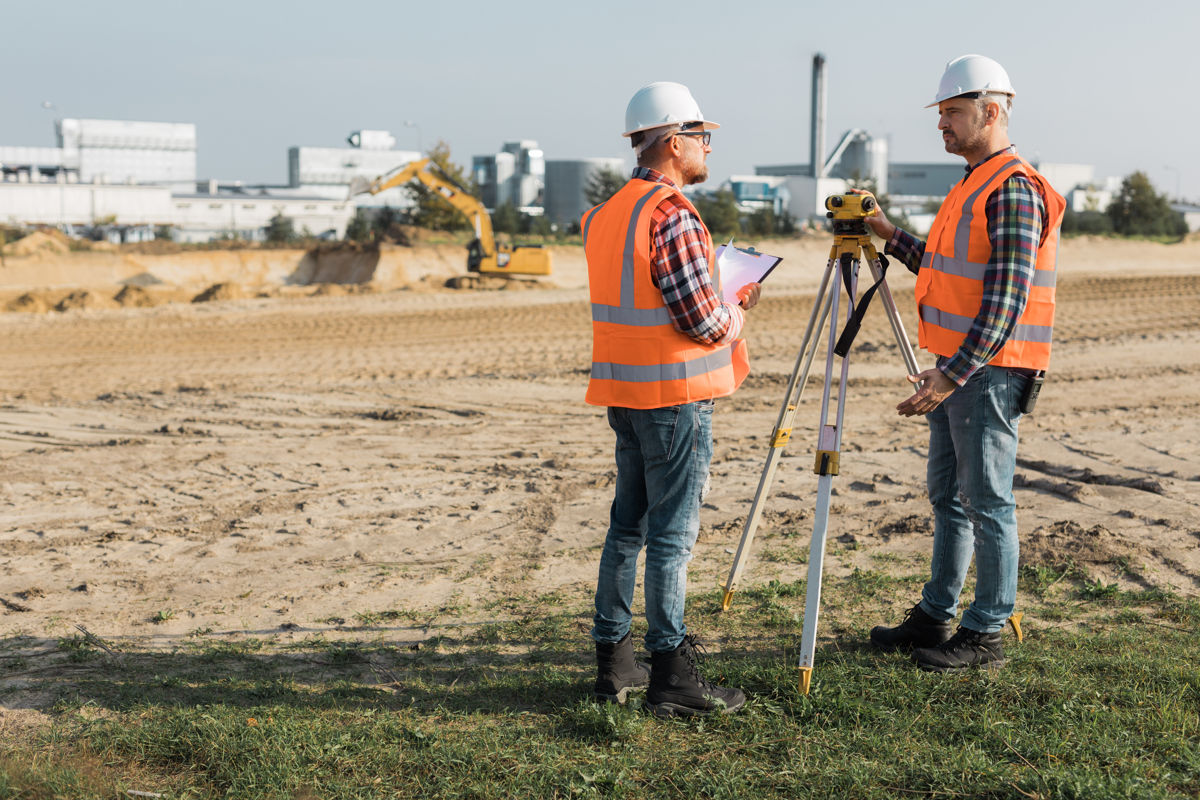
A plot may seem perfect when you first visit it, but its true development potential depends on several factors. Its location and characteristics, applicable zoning regulations, building coefficients and any local planning restrictions can all influence what can ultimately be constructed. That is why one of the first steps after purchasing land should be a proper technical assessment. Before rooms are laid out or the final form of the building is decided, you need a clear understanding of what is permitted and technically feasible. This becomes even more important when a plot has a significant slope, unusual shape or other characteristics that could affect the design. The home you have imagined can still provide the starting point, but good planning adapts that vision to the realities and possibilities of the land.
Move from an Idea to a Detailed Plan
Once you have a clear picture of the plot, the next step is turning the initial concept into a defined plan. This is where the owner’s needs begin to connect with the technical and regulatory requirements of the project. Depending on the type, location and characteristics of the development, the process may involve different studies, documents, permits and approvals. Permitting & planning support covers this crucial preparation stage, from initial feasibility and zoning checks to coordinating the documentation and approvals required before construction begins. This is a stage where taking the time to plan properly matters. Rushing through design simply to begin construction sooner can create additional questions and changes later.
The more decisions that are clarified in advance, the clearer the path towards construction becomes.
Organise the Construction Before Work Begins
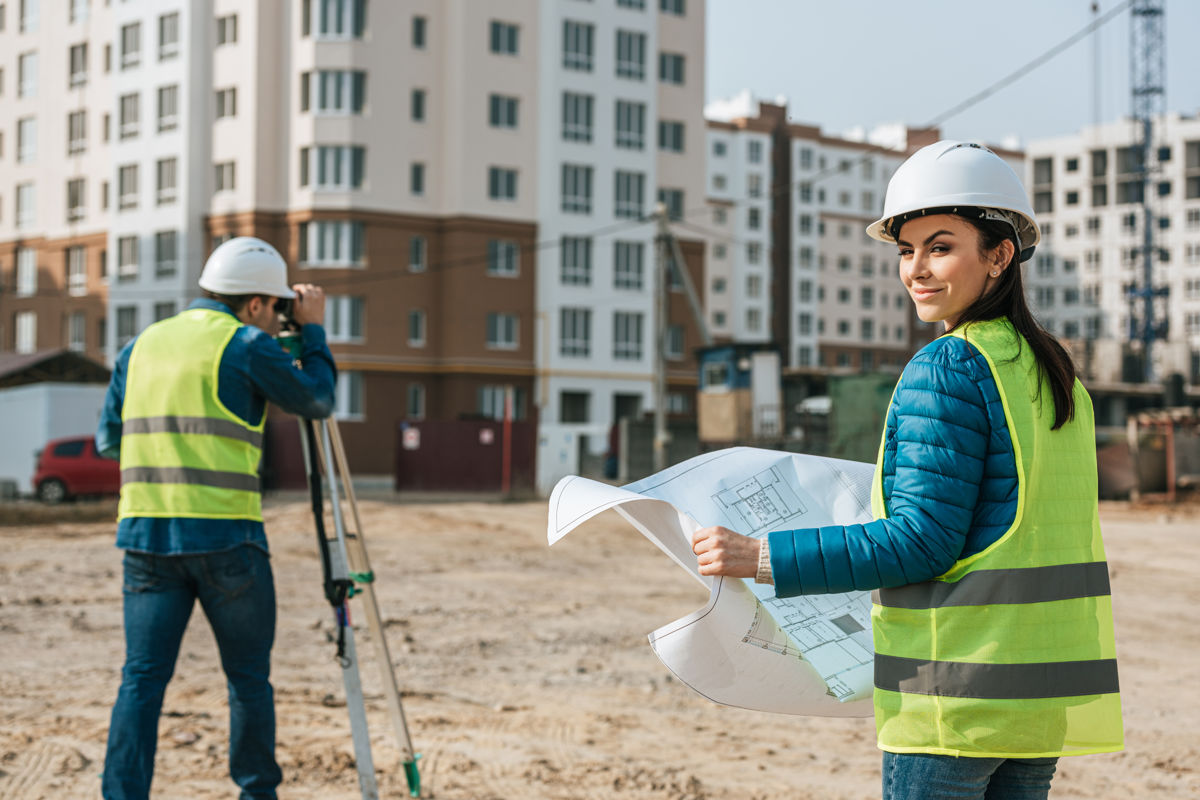
Seeing the first teams arrive on site is an exciting moment, but a well-organised construction project starts long before work becomes visible on the plot. Before construction begins, there should be a clear plan for the different stages of the project, the specialists involved, material decisions and the overall budget. It is also important to establish how progress will be monitored and how the different teams and activities will be coordinated throughout the project. A change that appears minor on a drawing can affect several stages once construction is underway. For this reason, coordination between designers, engineers and construction teams plays an important role in keeping the project organised. Good preparation cannot eliminate every unexpected issue, but it can create a much stronger foundation for managing the project as it develops.
Buying the plot is the first major step. What follows requires the right sequence: assessment, planning, permitting and organised construction. If you have already purchased land and would like to discuss the next stages of your project, get in touch with our team to start planning around the real possibilities of your property.
Have something of your own in mind?
Reading can give you ideas. If you have a plot, are thinking about a home or want to move a project forward, we can discuss it in more detail.
Get in Touch →